Wildlife Removal in Dothan, AL
Raccoons, squirrels, bats and the rest across Houston County: what is likely in your house, what it costs to get out, and what Alabama law requires.
- Sourced from Alabama WFF published rules
- Independent; we do not perform removals
- Quotes only from licensed operators
- Free, and no obligation
Dothan is Wiregrass peanut country, where town runs into farmland and the soil is light and sandy. Those two facts drive most of the wildlife calls here. Armadillos dig easily, so burrows under slabs, steps and shallow footings are a bigger share of the work than in most of Alabama, and the outbuildings and field edges around town keep raccoons, opossums and snakes close to houses. Dothan is also unusual because the city’s own Animal Services holds an Alabama permit for nuisance wildlife. This site explains when that helps, when you need a private operator instead, and what each job usually costs. We cover Dothan, Enterprise, Ozark, Headland and the towns around Houston County.
What turns up in Dothan houses
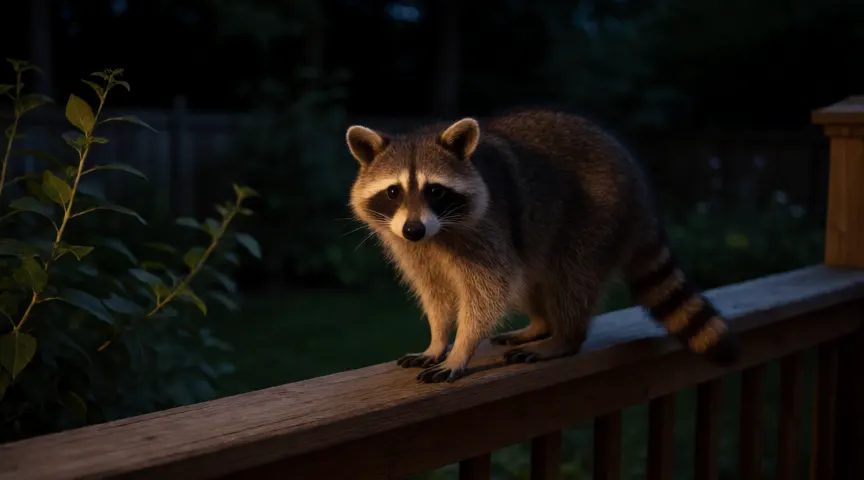
Raccoons
Worth knowing locally: Dothan Animal Services is itself permitted by the state for raccoon work, which is not true of most Alabama cities. What a permit does not tell you is scope.
$300 – $600 for removal; far more if the attic needs restoring
Raccoon removal →Squirrels
Wiregrass housing runs to single-storey with generous eaves and a lot of detached outbuildings, and squirrels use all of it. The outbuildings matter more here than in a denser city: a barn, shop or equipment shed with an open gable is a squirrel colony waiting to happen, and it sits close enough to the house that the move indoors is a short one.
$300 – $550 typical
Squirrel removal →Bats
Alabama’s bat rules bite hardest in exactly this kind of building stock. Agricultural buildings, older houses with big open attic volumes and metal roofs on timber framing all suit a colony, and the state’s maternity restrictions apply to all of them.
$400 – $600 small colony · $500 – $1,200 typical · $5,000 – $8,500 for a large colony
Bat removal →Opossums
Spilled feed is the thing to look at on a Wiregrass property. Opossums are drawn to the same grain, pet food and feed stores that draw rats, and the outbuildings here usually have both.
$250 – $500 typical
Opossum removal →Armadillos
This is armadillo country in a way most of the state is not. Light, sandy Wiregrass soil is about as easy to dig as ground gets, and it supports the grubs and worms they are actually after, so the cone-shaped diggings come back night after night regardless of how tidy the lawn is.
$250 – $550 typical
Armadillo removal →Snakes
Sandy soil, warm nights and a rodent population working the outbuildings adds up to a lot of snake sightings, most of them harmless and genuinely useful. A snake in a Dothan crawlspace or feed shed is almost always there because something small and furry is there first: deal with that and the snake problem usually deals with itself.
$150 – $400 for removal of a single snake
Snake removal →Skunks
The classic Dothan skunk den is the gap along the base of an outbuilding, especially the older ones sitting on piers or a settled slab edge. Sandy soil makes it easy for them to enlarge that gap into something they can live under.
$300 – $550 typical
Skunk removal →Birds
Farm-country birds are a different problem from town birds. Grain and feed storage, equipment sheds and open agricultural buildings hold pigeons and European starlings in real numbers, and those two plus the house sparrow are the only birds you may legally deal with without a permit.
$200 – $600 depending on access
Bird removal →Dead animals
One genuinely useful local detail: the city’s Environmental Services will collect dead animals from Dothan streets and rights-of-way. That is the road, not your house: an animal dead inside a wall, an attic or a crawlspace is entirely yours, and that is the one that actually needs locating, removing and decontaminating.
$200 – $600, more if drywall has to be opened
Dead animal removal →The Dothan year, animal by animal
Armadillos are active almost all year in Dothan’s mild climate. They feed in the evening and overnight, so the first sign is usually fresh holes in the lawn in the morning. Squirrels nest in attics in late winter and again in summer. Raccoons have their young in spring and often pick a crawlspace or an outbuilding. Snakes are most active from spring into autumn. Alabama’s bat maternity season, when exclusion should be avoided, is reported as roughly May to July.
Where they get in
Who is allowed to do this in Houston County
A pest control licence is not a wildlife licence, and bats and nearly all native birds are protected by law.
Nuisance Wildlife Control Operators are permitted by the Alabama Division of Wildlife and Freshwater Fisheries to remove nuisance wildlife at the landowner or tenant's expense. Alabama game and fish regulation 220-2-.27 provides for permits to take protected wildlife causing crop damage, property damage, or raising concern for human safety. Everything Alabama requires →
- 9animals covered in depth, not listed
- 8towns across Houston County and around it
- Alabamalaw cited from the published source
- Freequotes, and no obligation to take one
Housing and terrain in Dothan
Dothan sits in the Wiregrass, the farming corner where Alabama, Georgia and Florida meet, and it is peanut country; the crop the city is best known for. That agricultural setting shapes the work. Town runs into field with very little transition, there are outbuildings everywhere, and the soil is light and sandy rather than the heavy clay further north.
Sandy soil is the detail that matters most. It is easy to dig, which is why armadillos do so well here and why burrowing damage under slabs, steps and shallow footings is a bigger share of the local work than it would be in middle Alabama. It also drains fast, so the crawlspaces under older Wiregrass houses stay usable to an animal year-round.
Most cities refuse this work outright. Dothan Animal Services appears on Alabama’s own published list of Permitted Nuisance Wildlife Control Operators for Houston County, covering raccoon, squirrels, opossums, bats, snakes, fox, bobcat, beaver, coyote, moles, voles and rats. The state notes that services vary between operators and may involve fees, so it is worth asking exactly what is and is not included; a permit to remove an animal is not the same thing as sealing the building afterwards. Outdoor Alabama, Permitted Nuisance Wildlife Control Operators
Once the animal is out, the attic still needs dealing with. Attic restoration in Dothan →
Somebody has to look at the property to answer that. How many entry points or burrows there are, how hard they are to get at, and whether young are present is what sets the price, and none of it can be judged from a description. Send us your address and licensed local operators will quote the inspection and the work. Request free quotes →
Dothan questions
Can Dothan Animal Services handle a wildlife problem?
Possibly. Dothan Animal Services is on Alabama’s list of Permitted Nuisance Wildlife Control Operators for Houston County, covering animals including raccoons, squirrels, opossums, bats and snakes. Services and fees vary, so ask exactly what is included. Removing an animal is not the same as sealing the building.
Why are armadillos such a problem around Dothan?
Sandy soil. It is easy to dig, so armadillos burrow under slab edges, steps and footings as well as tearing up lawns. Removing the animal is only half the job; the burrow needs filling and the edge of the slab needs blocking.
Is it legal for me to trap an animal myself in Alabama?
Alabama law is strict here. Trapping generally requires a licence, and the state only permits nuisance wildlife control operators to take protected wildlife. Check with the Alabama Wildlife and Freshwater Fisheries Division before setting a trap.
Where we cover
Across Dothan, Houston County and the surrounding towns:
Dothan · Enterprise · Ozark · Headland · Abbeville · Slocomb · Hartford · Daleville. Service areas →
Request free quotes
Licensed wildlife operators covering Dothan will contact you directly. There is no charge and no obligation.